Take-home messages: ESUN Course on intravesical therapy for NMIBC
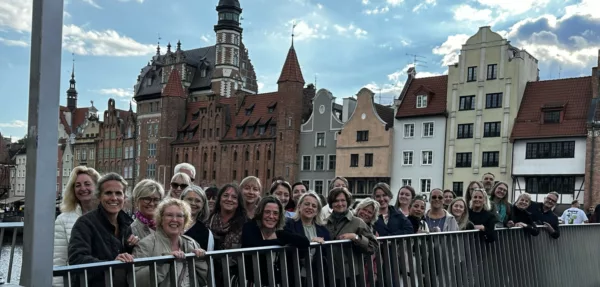
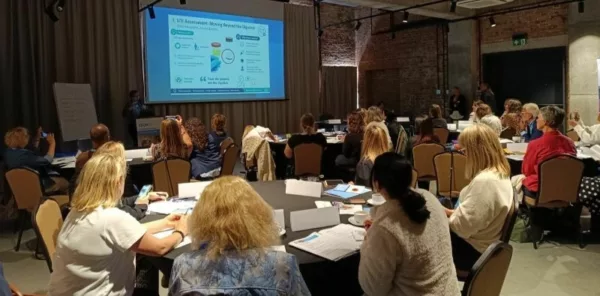
The 9th ESUN course took place in Gdansk, Poland, from 12 – 13 June 2026 and offered participants an in-depth scientific programme on intravesical therapy for NMIBC patients. With 29 nurses in attendance, the course focused on practice-oriented learning across nine modules, combining lectures, case-based discussions and interactive workshops via roundtables. Expert faculty included B.T. Jensen, K. Chatterton, S.V. Lauridsen, L. Munk, M. Costin, A. King, and V.J. Morrison.
The programme provided a comprehensive overview of NMIBC management, beginning with an updated disease overview, followed by the latest intravesical guideline updates. Participants explored patient perspectives, counselling approaches, and developing communication skills.
Interactive sessions on applying recommendations in daily practice were well received, as well as discussions on practical guidance for implementing support and resources to help course participants strengthen local NMIBC education and care pathways in their practices, according to the teach-the-teacher concept.
Highlights: Individualised care, multidisciplinary team-based approach
Discussions over the two days highlighted the complexity of caring for patients undergoing intravesical therapy and the importance of truly individualised, patient-centred care. There was a strong emphasis that safe, high-quality treatment can only be achieved with a team-based approach, supported by clear communication, structured pre assessment, and consistent use of tools such as side effect questionnaires (for example Appendix 3 Bladder Instillation Therapy Form in the EAUN guidelines), and BCG alert cards. Building trust, promoting patient autonomy, and ensuring patients understand their treatment (through education, teach back, and shared decision making) were points shared as essential to improving adherence and outcomes.
Discussions throughout the course highlighted that improving adherence is not simply about delivering treatment. Success depends on creating a patient-centred culture that promotes autonomy, meaningful communication, education, trust and proactive support, enabling patients to remain engaged with treatment and achieve the best possible outcomes.
Another strong theme was the need for consistent implementation of guidelines, not just awareness of them. This included staying up to date with new recommendations, applying competence frameworks, standardising pathways, and recognising that dissemination alone does not equal implementation. Collaboration across teams and centres needs to be viewed as an opportunity for continuous learning, improving safety, and maintaining evidence-based practice.
Future plans: Sharing NMIBC knowledge across teams
An important objective of the course was to equip this group of specialised nurses to serve as local ambassadors for NMIBC best care. This led to valuable discussions on practical strategies for sharing their newly gained knowledge within their own clinics and regions.
They collaborated on a wide range of dissemination plans, such as delivering presentations and educational talks. Many emphasised the importance of first engaging key stakeholders (managers, urologists, and nursing colleagues) to build support. Once that foundation is in place, participants plan to integrate course insights into MDT discussions and other routine clinical forums, ensuring the learning becomes embedded in everyday practice.
Others highlighted practical steps such as updating operational instructions, implementing side effects checklists, revising patient information materials, and embedding structured training and competency programmes. Several participants plan to use local meetings, national sessions, and dedicated workshops to reinforce learning, share case studies, and support consistent practice. Across all discussions from the participants the general consensus was to focus on a collaborative rollout, continuous education, and empowering teams to deliver high quality NMIBC care.
In conclusion, there was a real shared sense of motivation and pride among participants to drive improvements in NMIBC care. Delegates left equipped with the knowledge, confidence and strategies to support patients and share best practice within their own teams and organisations. Moreover, this first experience with the teach-the-teacher concept will be further developed within the EAUN Bladder Cancer Special Interest Group.
----
The organisers would like to thank Medac pharma for their educational support of this ESUN course. The educational content and discussions were developed independently by the faculty.